When I founded Urban Remedy, my mission was to make organic, nutrient-dense food as delicious and convenient as possible. Becoming certified organic gave that commitment an independently verified standard – one that looks beyond the finished product to how its ingredients are grown, handled and traced.
Urban Remedy was the first juice company based in the San Francisco Bay Area to achieve USDA organic certification. But our commitment to organic is actually much bigger than that. It’s really our commitment to the entire ecosystem, from the soil and the farmers who care for it, to the food we ultimately put into our bodies. As we’ve grown to become a national brand, organic sourcing remains one of the most powerful ways we bring our founding belief that Food Is Healing to life —for people and the planet.
In brief
- USDA Certified Organic is a regulated, independently verified standard – not a general marketing term.
- Every USDA Certified Organic product is non-GMO because genetic engineering is prohibited under organic standards.
- Certified organic production prioritizes natural and biological farming practices, while prohibiting most synthetic pesticides and fertilizers and setting strict standards for any substances used.
- Organic certification also prohibits irradiation and sewage sludge.
- Certified farms and businesses undergo third-party certification, annual inspections and extensive recordkeeping.
- Nearly all Urban Remedy products are USDA Certified Organic. Four are made with organic ingredients but do not carry full certification because selected functional ingredients are not currently available in certified organic form.
What does USDA Certified Organic mean?
USDA Certified Organic means that a food or agricultural product has been grown, produced and handled according to standards established and enforced through the USDA’s National Organic Program.
These standards are designed to support soil and water quality, resource cycling, ecological balance and biodiversity while prohibiting certain production methods and substances. Compliance is independently verified by a USDA-accredited certifying organization through documentation and ongoing inspections. Terms like “clean” and “natural” help describe Urban Remedy’s approach to food, while USDA Certified Organic adds another level of assurance: it represents a defined, government-regulated standard that is independently verified. The USDA describes certified organic as the only government-backed organic marketing claim for food sold in the United States. USDA Agricultural Marketing Service
What does organic certification require?
USDA Certified Organic means non-GMO
Products made using genetic engineering – commonly referred to as GMOs – cannot be certified organic under USDA standards. This means every USDA Certified Organic product is also non-GMO.
The reverse is not necessarily true: a product labeled non-GMO is not automatically organic. Organic certification covers a much broader set of standards governing how ingredients are grown, produced, handled and verified.
No irradiation or sewage sludge
USDA organic standards prohibit ionizing radiation and the use of sewage sludge in organic production. Because Cyclospora can spread through food contaminated with infected human feces, the prohibition on sewage sludge is particularly important from a food-safety standpoint.
Restrictions on pesticides and fertilizers
Organic farmers manage pests and support soil health primarily through preventive, biological, cultural and mechanical practices. USDA organic standards prohibit most synthetic pesticides and fertilizers and strictly regulate the limited substances that may be used.
Soil- and ecosystem-focused farming practices
Organic farming works with nature to protect and restore the resources our food depends on. Practices such as crop rotation, cover cropping and composting help regenerate the soil, allowing it to hold more water, support greater biodiversity and capture more carbon from the atmosphere. Healthier soil creates healthier farms, a healthier planet and better food.
Independent inspections, food safety and traceability
Trust begins with knowing where our food comes from and being able to follow every ingredient through its journey. Certified organic operations are inspected at least once a year by USDA-accredited certifiers and may also undergo unannounced inspections or testing.
Food safety is part of that same commitment. Urban Remedy is certified to SQF global food-safety standards, with SGS serving as our approved certification body. Our 2025 food-safety audit, conducted June 9-11, earned a score of 97. Our 2026 audit, conducted June 29-July 2, earned a score of 98. Both scores were above industry standards.
We also conduct internal traceability exercises to make sure we can follow ingredients through production and finished products all the way to our customers. In our most recent exercise, we achieved 100% accuracy for the traceability of ingredients and in-process consumption, and 99.99% accuracy for finished products shipped to customers. These results reflect the care and accountability we bring to every step—from the ingredients we source to the food you ultimately enjoy.
What do the different USDA organic labels mean?
What we put into our bodies matters—and so does understanding what the words on a package really mean. The USDA defines three primary organic labeling categories for packaged foods. Salt and water are excluded when calculating organic ingredient percentages.
100% Organic
All ingredients and processing aids must be certified organic. These products may display the USDA Organic seal.
Organic
At least 95% of the product’s ingredients must be certified organic. The remaining ingredients must meet strict USDA requirements. These products may also display the USDA Organic seal.
Made with Organic Ingredients
At least 70% of the product’s ingredients must be certified organic. The packaging may identify up to three organic ingredients or ingredient categories, but it cannot display the USDA Organic seal.
For us, the USDA Organic seal is more than a symbol on a package—it represents our commitment to the entire ecosystem. It gives people confidence that our organic ingredients have been verified and that our products have met rigorous, independently certified standards for how they are produced and handled. Learn more about USDA organic labeling.
How does Urban Remedy go beyond organic certification?
For Urban Remedy, organic certification is the foundation—not the finish line. Our additional standards are guided by the belief that every ingredient should be HEALING, NOT HARMFUL. That’s why we craft our foods and beverages without refined sugar, gluten, dairy, artificial additives or industrial seed oils.
Here’s one example. While developing a new product, we had sourced a certified organic strawberry purée. It seemed beautifully simple: blend the organic berries and remove the seeds. But late in the process, we discovered that the purée contained a small amount of added gum.
Although the ingredient qualified as certified organic, it did not meet Urban Remedy’s standards. We changed course and found a new supplier that could provide certified organic strawberry purée made without added gums. It took extra work at the last minute, but that is what our commitment to HEALING, NOT HARMFUL looks like in practice.
Is organic food more nutritious?
Organic certification does not define a specific nutrient profile, but it offers meaningful advantages. Organically grown crops have a lower incidence of pesticide residues, and research has found that they may contain higher concentrations of antioxidants. Choosing organic can also help reduce dietary exposure to synthetic-pesticide residues. British Journal of Nutrition systematic review and meta-analysis
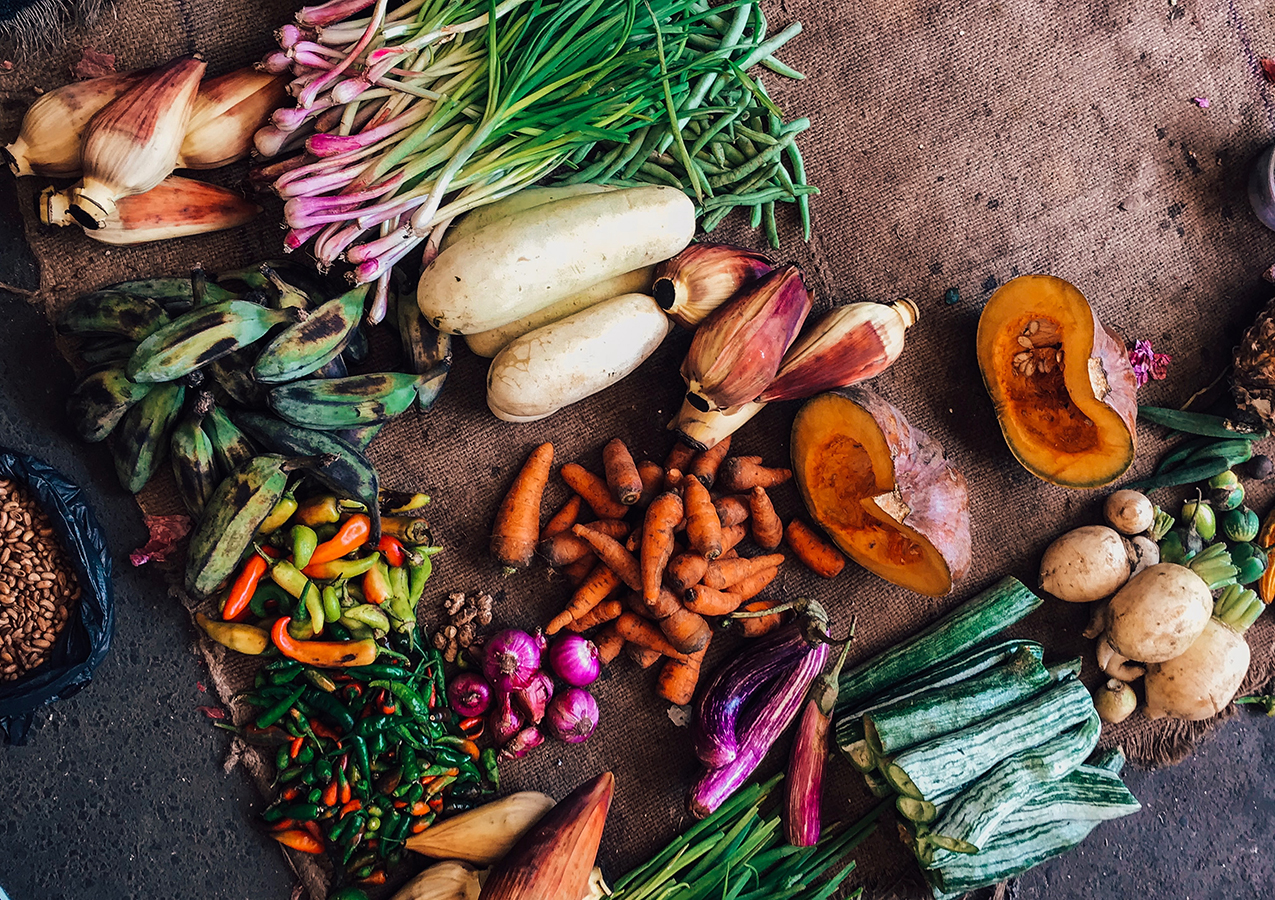
At Urban Remedy, certification is the starting point. We go further by carefully sourcing organic produce for quality, flavor and freshness. For our juices, fruit is juiced at peak ripeness, when its flavor is most vibrant, rather than being selected primarily to withstand a long journey through warehouses and supermarket shelves.
From thoughtful sourcing to cold-pressing, our goal is to preserve the vibrant flavor and nutritional integrity of organic fruits and vegetables. For Urban Remedy, organic is not simply a seal. It is part of our commitment to the planet and a higher standard for making food that is as delicious as it is nourishing.
Why does Urban Remedy choose organic ingredients?
As an acupuncturist, I’ve always understood health as a state of balance—within the body and between ourselves and the natural world. The way we grow and prepare our food is part of that same interconnected system. That is why organic has been central to Urban Remedy from the beginning.
Traditional Chinese Medicine informs how we approach our recipes, including the balance, seasonality and unique qualities of the ingredients we bring together. Certified organic gives that philosophy a clear, independently verified foundation by establishing rigorous standards for how those ingredients are grown, produced and handled.
One guides how we create our food; the other provides assurance that its ingredients support farming practices designed to protect soil and water quality, conserve biodiversity and limit synthetic inputs. It is one of the ways we make Food Is Healing tangible – not only through what is in each recipe, but through how its ingredients are grown and handled.
Where does Urban Remedy source its organic produce?
Urban Remedy sources directly from trusted farms and produce partners, including Coke Farm, Grimmway Farms, Lipman Family Farms and The Salad Farm.
These direct relationships help us select organic fruits and vegetables for quality, freshness and flavor—not simply to meet certification requirements. For our juices, we prioritize organic fruit harvested at peak ripeness, when its flavor and natural qualities are at their best.
Are all Urban Remedy products USDA Certified Organic?
Nearly all Urban Remedy products are USDA Certified Organic and therefore non-GMO. Because genetic engineering is prohibited under USDA organic standards, the Organic seal independently verifies our non-GMO commitment as part of a much broader set of requirements.
Four current products are exceptions:
- Booster Shot
- Clean Green Refresh Lemonade
- Mint Cacao Meal Shake
- UR Calmer Shot
These products contain selected functional ingredients – such as chlorophyll, grapefruit seed extract, magnesium bisglycinate or L-theanine – that are not currently available in certified organic form. All other ingredients in these four products are organic, and every other Urban Remedy product carries full USDA Organic certification.
Because the four exceptions do not qualify for the USDA Organic seal, they are accurately described as made with organic ingredients rather than USDA Certified Organic.
Is “natural” the same as certified organic?
No. “Natural” does not communicate the same production, certification, inspection and traceability requirements as the USDA Organic seal.
“Organic” is a regulated agricultural labeling term. Products represented as USDA Organic must meet federal standards and be verified by an accredited certifying agent. That independent oversight is what distinguishes certification from a brand’s own description of a product as natural or clean.
Who certifies Urban Remedy?
Urban Remedy is certified by California Certified Organic Farmers (CCOF), a USDA-accredited organic certifying organization. CCOF has been a wonderful partner to Urban Remedy, helping us navigate the certification process while holding us to the rigorous standards the USDA Organic seal represents.
Certification involves much more than purchasing organic ingredients. It requires documented sourcing and handling procedures, detailed recordkeeping, supply-chain traceability and ongoing inspections. CCOF independently verifies that we continue to meet USDA organic regulations and helps us maintain the integrity of our organic program as we grow.
Choosing organic is a vote for the food system you want
Every food choice connects us to something larger—from the soil and the farmers who care for it to the food we ultimately put into our bodies. When we choose certified organic, we support a food system designed to protect those connections and preserve the integrity of our food from farm to shelf.
For Urban Remedy, organic certification isn’t just a label. It represents our commitment to the entire ecosystem—and our promise to make organic, nourishing food delicious, convenient and easier to enjoy every day.
In gratitude,
Neka
Sources and further reading
- USDA Agricultural Marketing Service: USDA Certified Organic – Understanding the Basics
- USDA Agricultural Marketing Service: Labeling Organic Products
- USDA Agricultural Marketing Service: Organic Certification and Accreditation
- California Certified Organic Farmers (CCOF): Organic Certification
- British Journal of Nutrition: Organic and conventional crops – systematic review and meta-analysis
- SQFI: Safe Quality Food Program
- SGS: Testing, inspection and certification